Article
Breakfast, lunch or dinner for a business meeting?
Nobody accepts a business meal because they are hungry. They come because they are curious about you, and the meal you pick says something about how much of their day you expect to borrow.
Time is the real cost
When someone agrees to eat with you for work, they are giving up time they could spend elsewhere. Treat the yes as a compliment. Then pick a meal that matches how well you know each other and how much you are hoping to get done.
The business breakfast
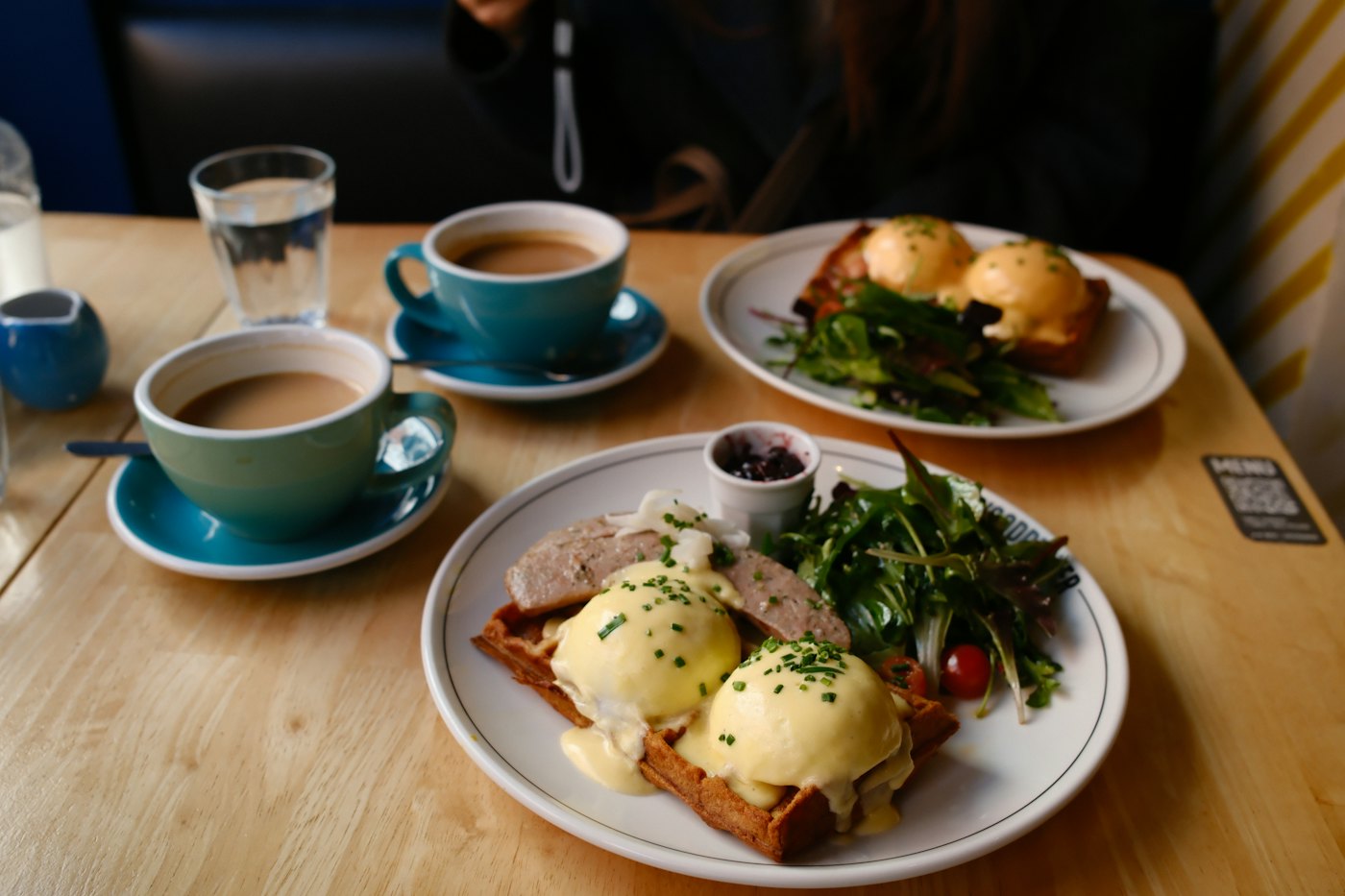
Breakfast is the shortest commitment of the three. It happens before the workday fills up, it rarely runs long, and both people can head straight to the office afterward. Hotels have long offered a grand power breakfast, but plenty of morning meetings now happen over something quicker, which suits anyone trying to fit several meetings into one day.
Coffee alone is the lightest version of all. Coffee is extremely popular in Europe and tends to signify that the business meeting may be less formal. A coffee works well for a first introduction, when neither side is ready to commit to a full meal.
The business lunch
Lunch asks for more. You sit down together for a real stretch of time, usually somewhere outside the office, and the conversation has room to wander beyond the agenda. That makes lunch a natural choice for building a working relationship, for networking, and for sales conversations where trust matters as much as the numbers.
It is also a chance for the other person to size you up. How you treat the server, how well you listen and how you handle the check all get noticed, whether or not anyone mentions it.
Weighing a late morning meeting instead?
Brunch sits between breakfast and lunch. See how New York does it and when tables tend to open up.
Read the brunch guideThe business dinner
Dinner is the most personal of the three. Your guest gives up an evening that might otherwise go to family or rest, so the invitation carries more weight. Even as business dress and dining have relaxed, a dinner still signals that the relationship matters.
For an important dinner, plan for a full meal with several courses rather than a quick bite, and choose a place where you can hear each other. As host, arrive first, know the menu, and take care of the details so your guest does not have to think about them.
Lunch or dinner, side by side
The biggest difference is the clock. A lunch meeting is squeezed between other obligations, and both people may be watching the time for the next call. At dinner you are usually the last appointment of the day, which leaves room for a slower, deeper conversation without anyone rushing off.
Choosing well
There is no single right answer. Breakfast respects a busy schedule, lunch builds familiarity, and dinner marks a relationship you want to grow. Whichever you pick, showing up prepared and paying attention to small things tells the other person more than the menu ever will.
Corrections
See something in this piece you would put differently? Tell us what and why.
Send a correctionFrom the guide
Breakfast, the Norma's way
Norma's served elaborate breakfasts in a Midtown hotel until it closed. See which plates people still remember.