Article
Dinner, lunch or supper?
Ask a room full of people what they call the evening meal and you will hear more than one answer. The difference depends on where you grew up, when, and which meal your family treated as the big one.
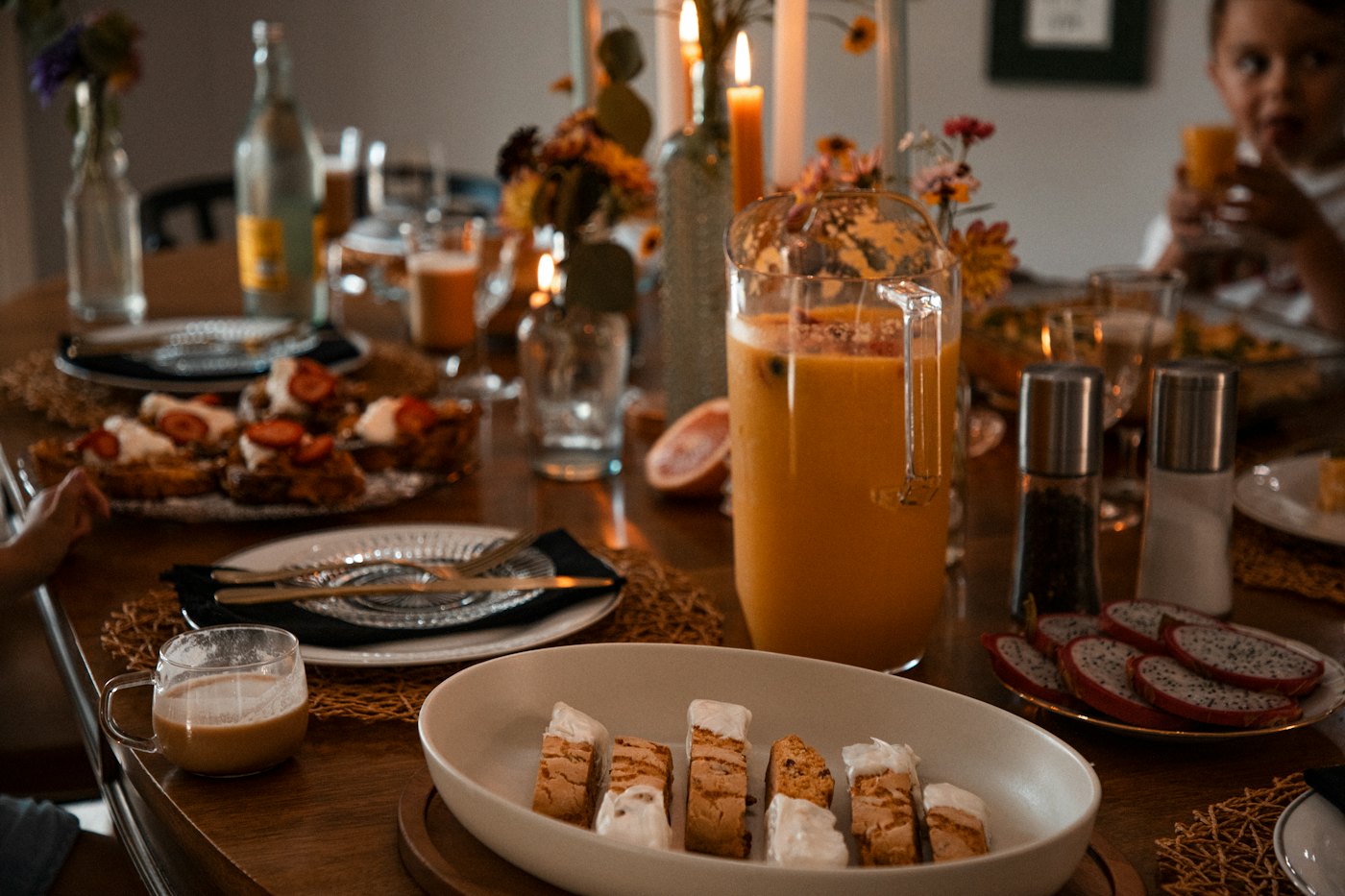
One meal, two names
For many people, dinner and supper both mean the last meal of the day, with dinner sounding a little more formal. In parts of Britain, supper can also mean a light snack eaten late in the evening, long after the main meal is over.
Breakfast is the one name nobody argues about. The first meal of the day has never been called dinner, even if some people would happily eat it at any hour. Restaurants that serve breakfast plates all afternoon, as Norma's in Midtown once did, simply lean into that.
What the dictionary says
The confusion makes more sense once you see how Merriam-Webster defines the two words. Dinner is the principal meal of the day, whenever it happens. Supper is the evening meal, especially when dinner has already been eaten at midday.
In other words, the words were never strictly about the clock. A family that ate its big meal at noon had dinner then and supper at night, and a family that ate its big meal in the evening called that one dinner.
A children's book gets it right
Maurice Sendak's Where the Wild Things Are shows the old distinction at work. Max is sent to his room without his supper, which can sound harsh if you read supper as the main meal. After his adventure with the Wild Things, though, his supper is waiting for him, and it is still hot. A light evening meal kept back as a punishment, then quietly delivered, fits the older meaning of the word.
Partial to the first meal of the day?
Read about the Midtown restaurant that built its menu around breakfast and served it all day long.
Read the story of Norma'sThe most famous supper
Supper also carries a sense of things drawing to a close, and Christian tradition supplies its most familiar example. The Last Supper was the meal Jesus shared with his disciples before the crucifixion, the event behind the Eucharist, and Leonardo da Vinci turned it into one of the most recognized paintings in the world.
Where the words came from
Both words reached English through French. Merriam-Webster traces dinner through Middle English to the Anglo-French disner, meaning to dine, and supper to the Anglo-French super, meaning to sup, the old verb for eating the evening meal.
Lunch has a more roundabout history. It is a short form of luncheon, which Merriam-Webster says may come from nuncheon, an old word for a light snack. That in turn goes back to the Middle English nonshench, a midday refreshment, built from words for noon and drink.
Why the big meal moved to the evening
A common explanation is work. As more people took jobs in factories and offices far from home, going back for a large meal in the middle of the day stopped being practical. The main meal slid to the evening, kept the name dinner, and the quick bite at midday became lunch.
Older habits did not disappear overnight. Plenty of people raised on farms or in families that kept the noon dinner still call the evening meal supper, which is why the same question can start a friendly argument at almost any table.
Corrections
Have a better source on where these meal names came from? We would be glad to read it.
Send a correctionA meal of its own
Then there is brunch
The late morning meal has a name and a history of its own. Find out where it came from and how New York does it now.